
Independent Research on Treatment Effectiveness
Our success rates
Evidence shows that residential treatment for addictions can enable people to lead drug-free lives. It’s important to note that rehab programmes’ success rates will differ depending on the type of addiction, therapies used, and each patient’s circumstances.
So, while it may be difficult to find accurate statistics on rehab success, there are plenty of studies that highlight how certain approaches are effective in treating different addictions.
Length of stay plays one of the biggest roles in determining the success of rehab programmes. Patients receiving the recommended 90 days of medically assisted treatment have shown greater outcomes when it comes to long-term recovery.
Those who continue with recovery treatment for three years or more also have lower relapse rates than those on Medication Assisted Treatment for under three years.
Treatment Outcomes at Castle Craig
Very few treatment services can show this depth of support for their methods. Castle Craig’s programme has academic and theoretical backing, independently verified outcome data, and mounting evidence from its own patient cohort studies.
“There is a vast body of evidence to show that residential treatment for addictions can enable people to lead drug-free lives.” – Professor Jonathan Chick.
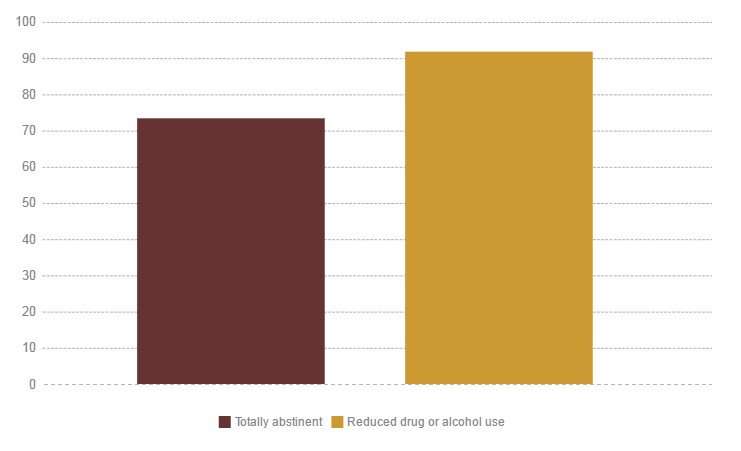
Outcomes From a Cohort of Patients at Castle Craig Hospital, 2015*
- 73.4% out of 158 respondents were totally abstinent from all drugs or alcohol at follow-up (after one year).
- 91.8% of those who responded were either living with reduced alcohol or drug use or abstinent.
- 81.6% of respondents were classed as a “good outcome” by the independent reviewers.
Andrew (former patient) It is now 5 years ago that I left for treatment at Castle Craig and today I am 5 years clean. Life becomes more and more a pleasant journey and I am day by day more grateful to have a life. Thanks for the treatment, it was so good.
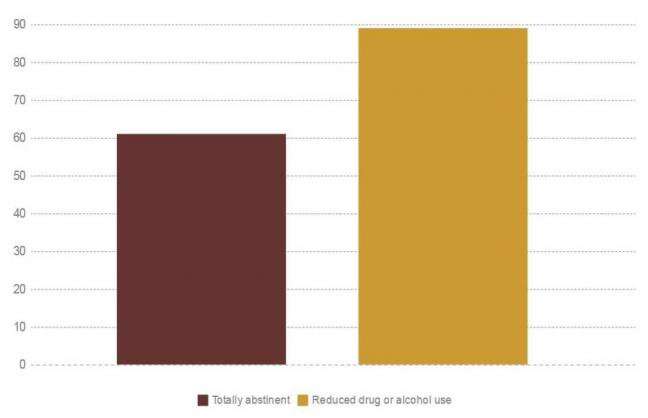
Outcomes from a Cohort of Patients at Castle Craig Hospital, 2010*
- 61% of those who attended treatment at Castle Craig and responded to the survey were totally abstinent from all drugs or alcohol at follow-up (after 67 weeks).
- 89% of those who responded were either living with reduced alcohol or drug use or totally abstinent.
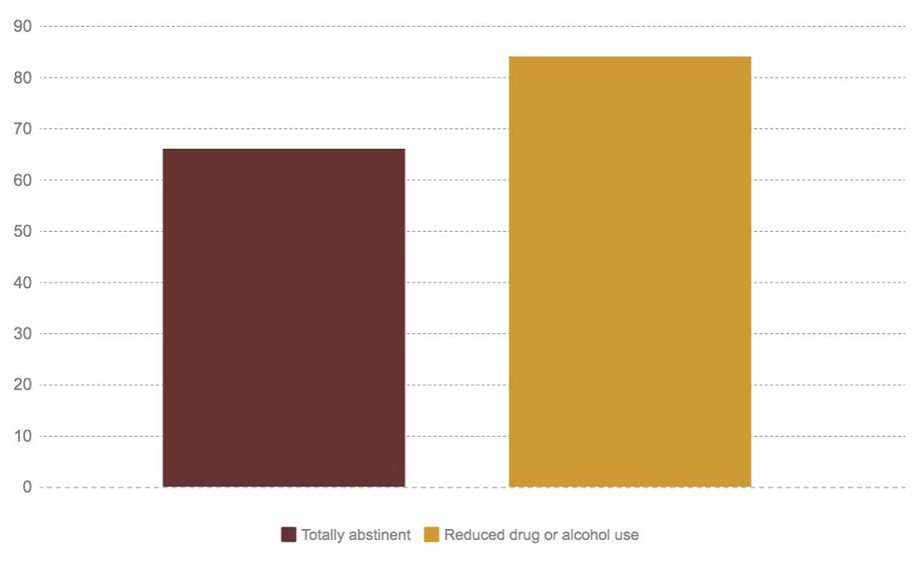
2007 Outcome Study for cocaine-addicted patients at Castle Craig Hospital*
- 66% of those who completed treatment at Castle Craig and responded to the survey were totally abstinent from all drugs or alcohol at follow-up (after 3-5 years).
- 84% of those who responded live with reduced alcohol or drug use, or are entirely abstinent.
What the research shows
(* Independent analysis of outcome data, Christo Research Systems)
A successful treatment programme for addictive disease needs structure because so often in the lives of our patients there is no structure. The drug dictates how they live their life.
Senior Therapist More Patient Voices
Why rehab works
Residential rehab removes patients from the pressures of daily life and provides a setting where recovery can take centre stage. Round-the-clock care means your detox is supervised and help is on hand should you need it.
Why where you recover matters
One of the main benefits of Castle Craig – and one of the reasons it works so well – is that patients are removed from their familiar surroundings and have no access to drugs and alcohol. Completing treatment at a residential clinic allows them to focus primarily on their recovery programme in a safe and comfortable environment.
Empowering recovery
The therapies offered at Castle Craig are designed to empower patients to take ownership of their circumstances, and it doesn’t stop at discharge. The skills built during treatment are the ones that are designed to carry patients through the years that follow.
Tailored programme and support
We offer bespoke treatment programmes and ongoing support, which is not available through community services. On arrival, each patient is assigned a focal therapist, who will then work on creating a therapy programme to suit their needs.
Continuing care
Research into addiction treatment continues to show that ongoing care and support play a key role when it comes to achieving long-term recovery. Castle Craig offers a 24-week continuing care programme, designed to ensure a smooth transition from rehab, identify early warning signs of relapse, and learn coping skills to handle cravings.
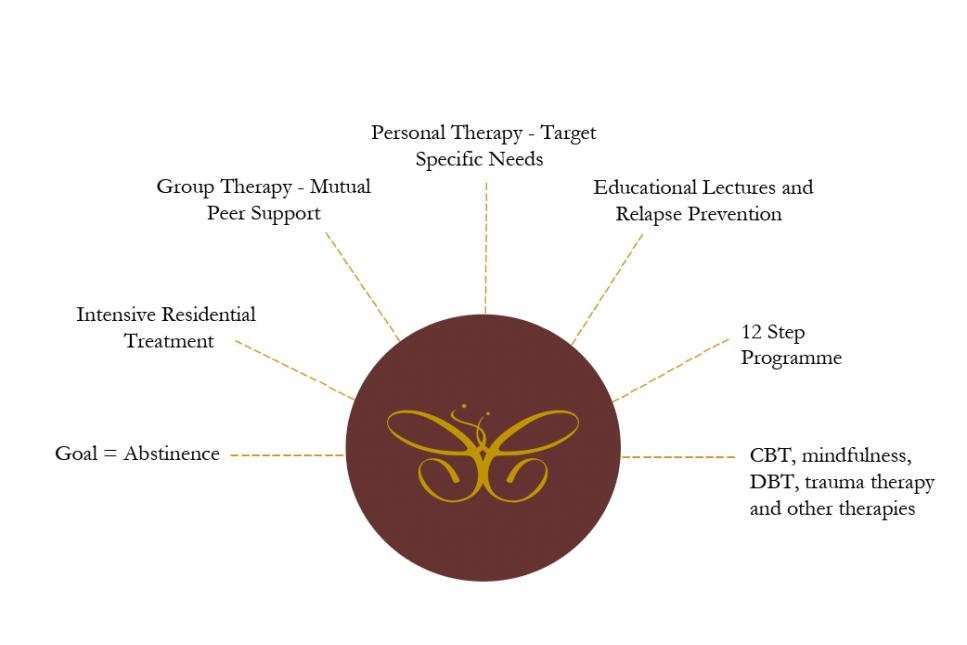
Expertise that shapes every programme
Castle Craig employs some of the leading authorities on the subject of alcohol and addiction. In addition to following the latest developments and research in our sector, we attend and present at conferences and commission our own research.
Every person who comes to Castle Craig arrives with a different history, and their treatment reflects that. Therefore, our team of dedicated therapists works hard to create a programme tailored to each patient’s needs.
Relapse does not mean failure
Relapse is a common part of recovery, and it doesn’t mean that treatment has failed or that progress has been lost. It’s an opportunity to understand what happened, adjust the approach, and continue moving forward. Long-term recovery requires ongoing commitment and support, and setbacks are part of that process for many people. See preventing relapse.
Cases of relapse also occur in many other types of chronic illness and can be an opportunity for therapists to find alternative solutions and better target treatment.
Articles & industry studies
Castle Craig works with many of the UK’s leading voices on the subject of alcohol, drugs and addiction. Our high reputation means that the media often seeks out staff opinions and contributions to support their reporting on addiction.
At Castle Craig, we strive to provide the highest standard of treatment, and the results show that treatment is effective. Learn more about Castle Craig and the transformational experience that many experience while here with videos of our success stories.
On our treatment outcome studies page, we showcase a number of addiction treatment research reports that we think are relevant to those interested in learning more about addiction, the success of treatment and what research has shown over the decades.
Alcohol addiction success stories
Peter’s recovery journey
Peter shares his journey of overcoming alcoholism and how Castle Craig helped him reclaim his life. Watch to hear more about his transformation and how his life has changed since finding recovery.
How Can Castle Craig Help?
Who will I speak to when I call Castle Craig?
When you call you will reach our Help Centre team who will give you all the information you need to help you decide whether to choose treatment at Castle Craig. If you decide that you would like to have a free screening assessment you will be asked a series of questions to build up a picture of your medical and drug use history as well as any mental health issues you are facing. If you decide you want to proceed with treatment you will be put in touch with our admissions case managers who will guide you through the admissions process.
How long is the rehab programme?
Residential rehab treatment starts at 4 weeks and can go up to 12+ weeks. Research shows us that the longer you stay in rehab and are part of the residential therapy programme, the longer the likelihood of continued abstinence and stable recovery.
How do I pay for rehab?
One concern we sometimes hear from people is how they will fund their rehab treatment. You can pay for treatment at Castle Craig privately, or through medical insurance, and some people receive funding through the NHS. The cost of rehab varies depending on what kind of accommodation you choose.
What happens at the end of my treatment?
Castle Craig thoroughly prepares patients before departure by creating a personalised continuing care plan which is formulated following discussions with the medical and therapeutic team. We offer an online aftercare programme which runs for 24 weeks after leaving treatment, in order to ensure a smooth transition back into your everyday life. Patients leaving treatment automatically join our Recovery Club where they can stay connected via our annual reunion, events, online workshops and recovery newsletters.