


Gambling addiction, also known as gambling disorder, is a recognised medical condition. It’s classified as a behavioural addiction and is a condition Castle Craig has treated for over 35 years.
The difference between someone who gambles for fun and someone with gambling disorder isn’t the behaviour itself, rather it’s the loss of control over such a behaviour. When the urge to gamble overrides your ability to stop, even when you can see the damage it’s doing, that’s when gambling can be a concern.
Gambling disorder changes how the brain processes risk and reward. It doesn’t involve a substance, and there are no visible signs and no physical withdrawal symptoms. That’s part of what makes gambling problems so difficult to spot, both for the person experiencing them and for the people around them.
Understanding what gambling addiction is, the signs to spot, and what treatment involves can help you or someone in your life find the right support.

Evidence-based treatment for gambling addiction
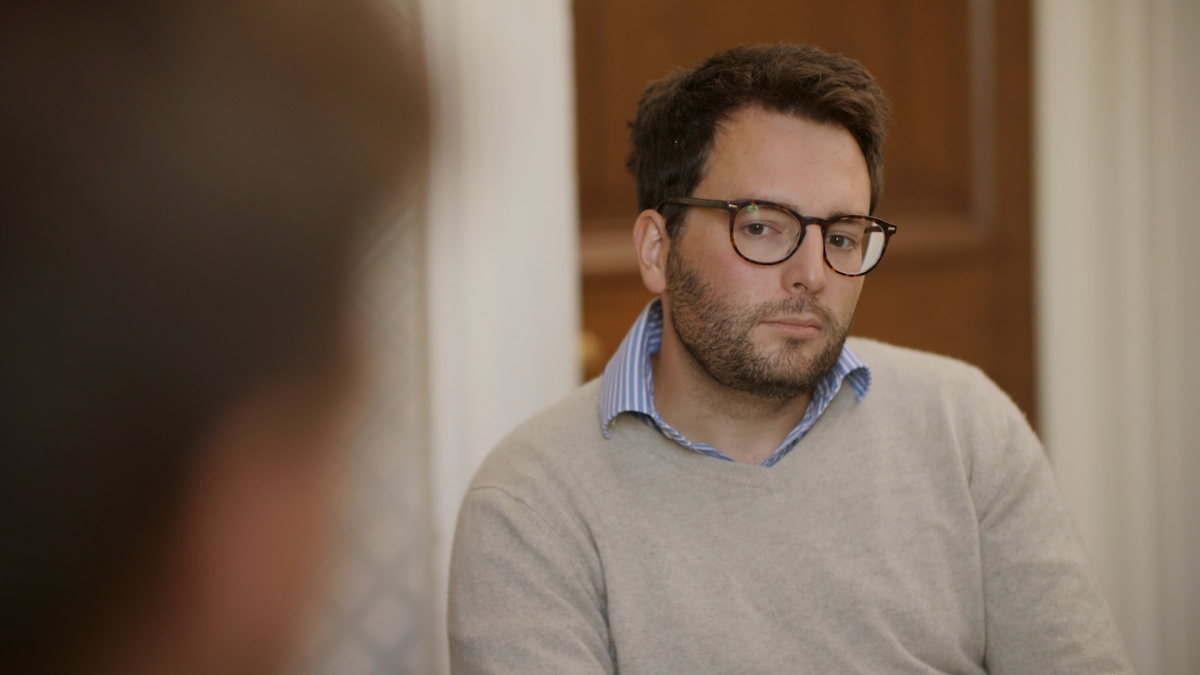
“Nobody told me I was an addict – I came to that conclusion on my own. I just wanted to change my life […] I walked in the door, put my hands in the air, and asked for help. I was broken when I came in here, I was really defeated […] I completely surrendered to what I suffered from.”
How does gambling addiction develop?
-
What happens in the brain when you gamble?
Gambling disorder develops gradually as the way your brain responds to gambling changes.
Gambling activates the brain’s reward system. Dopamine, a chemical in the brain, reinforces feelings of pleasure and connects them to specific behaviours. When you gamble, your brain releases that chemical, which is what creates the rush you experience when you place a bet.
But what can make gambling so addictive is the anticipation of winning, not the winning itself. Your brain responds most strongly to uncertainty itself, the moment before you know the result of your bet.
As this pattern continues, changes in how your brain handles dopamine can drive addictive gambling behaviour through:
- Anticipating rewards more strongly, and
- Becoming more sensitive to uncertainty
Increased impulsivity, a recognised risk factor for gambling disorder, has also been linked to these dopamine changes.
With the changes, your brain starts needing more gambling to feel the same effect, since there is an increased tolerance. Alongside it, impulse control can weaken. This is your brain responding to a pattern it’s been trained into.
-
The stages of gambling addiction
Changes to the brain happen slowly. What starts as recreational gambling can become an addiction to betting that develops through recognisable stages. Most people don’t see the pattern until it’s causing harm.
The winning phase:
This comes first. Early wins feel exciting and confirm the belief that gambling involves skill, not just luck. Your confidence builds, and the losses that happen feel small compared to the highs.
The losing phase:
The wins slow down, but your belief in them doesn’t. You start gambling more to chase what you had, and though losses grow, they still feel like something the next win will fix.
Desperation phase:
This is when the financial reality becomes impossible to ignore. You’re borrowing, hiding spending, and lying about where money has gone. Gambling stops being about winning, and becomes about recovering what you’ve lost.
Hopelessness phase:
Here, it’s clear that gambling is causing serious harm, but you can’t see a way to stop. For many people, this is where the thought of asking for help first appears.
-
Signs of gambling addiction
You don’t need to be in the later stages to recognise that something has changed. There are signs that gambling may have become a problem, wherever you are in that progression.
In yourself, you might notice yourself:
- Spending much of your day thinking about betting
- Removing yourself from social and professional situations to place a bet,
- Gambling as a way to escape
- Chasing losses
- Lying about how much you’re spending
If you’re worried about someone else, the signs can look different. You might notice them losing interest in things they used to enjoy, changes in mood or behaviour, trouble sleeping, money going missing, or lying about where they’ve been or what they’re doing.
Clinicians use a separate set of nine diagnostic criteria to classify gambling disorder as mild, moderate, or severe.
You don’t need to guess or diagnose yourself or someone else. A professional can help you understand where things stand and what kind of support would be useful.
“The average person would be astonished how many people at Gambler’s Anonymous meetings have been involved in suicide attempts and had ruined their lives through gambling in a relatively short period of time.”
Chris Burn, Gambling Therapist, Castle Craig.
What causes gambling addiction?
There’s no single reason why someone develops gambling disorder. Biological, psychological, and environmental factors all contribute. Knowing which apply to you can help make sense of your own experience.
-
Who is most likely to develop a gambling disorder?
Young men are the group most affected. According to the NHS Health Survey for England:
- 50% of adults had gambled in the last 12 months
- Men were more likely to engage in at-risk or problem gambling than women, at 4.4% compared to 1.1%.
- Those gambling on four or more activities had a 27.8% rate
- Among online gamblers, 18.2% were at risk, compared to 5.8% of all gamblers
But gambling disorder doesn’t only affect one type of person. Mental health conditions like anxiety and depression increase the risk. So does a family history of gambling or addiction. Financial pressure can both cause and result from gambling.
-
Is online gambling more addictive?
The move to online gambling is thought to have made it more accessible, which may have had an effect on how frequently and aggressively people gamble.
Online gambling from home has turned gambling, for some, into part of everyday life. When it becomes a routine daily habit, it’s easier to gamble without thinking, and that can make addiction and financial losses more likely to follow.
Online gambling is available 24 hours a day, on any device, from anywhere. There’s no need to leave the house and no obvious trail. The UK gambling industry generates £15.6 billion in gross annual profit, and much of that comes from people gambling on their phones at home.
That can also make it easier to hide gambling behaviour, even from people you live with.
-
How common is gambling addiction in the UK?
The numbers reflect the scale of gambling addiction across the UK:
- Roughly 2-3% of British people live with gambling disorder
- 8-12% gamble in ways that are either already harmful or at risk of becoming so.
- Among 18 to 24-year-olds, the rate of gambling disorder rises to 10.4%.
- An estimated 190,000 children in Great Britain are affected by or at risk of problem gambling
- One in nine people are harmed by gambling, either directly or through someone in their life
- One study noted that people living with gambling disorder are 15 times more likely to take their lives.
If you are in active crisis, experiencing thoughts of suicide or are actively seeking to end your own life – call 999, 111, or get in touch with the Samaritans on 116 123 .
If someone in your life is living with a gambling addiction
If you’re worried about someone else’s gambling, you’re probably dealing with a mix of confusion and fear. You may have noticed money problems or secrecy, but you’re not sure whether what you’re seeing is a problem, or whether it’s your place to say anything.
-
Why gambling addiction is so easy to miss
Gambling doesn’t have the same visibility as other addictions. Someone can gamble for months or years without anyone around them knowing, because it happens privately, behind a closed door.
It’s not that you weren’t paying attention. Gambling disorder just doesn’t show itself the way other addictions do. Online platforms make it easy, and the person doing it has every reason to keep it hidden.
-
How to start the conversation
It’s difficult to start a conversation about someone’s gambling, but an open question works better than a confrontation.
Talk about what you’ve seen, such as money going missing, staying up late, personality and mood changes, or them not spending time with family anymore. These are observations rather than accusations, and they may even highlight an issue the person hadn’t fully recognised yet.
You don’t need to have all the answers to voice what you’ve seen. Let them know you’ve noticed, and that support is available if they want it.

Download Our Brochure
We’ve helped many people turn their lives around
Experts You Can Trust
With a wealth of knowledge and services to help you regain control of your life, request a call-back from one of our professionals today. The choice you make today could change your life forever.
Frequently asked questions about gambling addiction
-
Can gambling addiction be cured?
Gambling disorder is treated, not cured. There’s no point where it simply disappears, but with the right support, people do recover and build stable lives without gambling.
Gambling addiction therapy in residential treatment works by creating distance from gambling while addressing what’s underneath it. Castle Craig’s residential setting is fully offline, with no internet access or devices generally – only for supervised family contact or in emergency situations.
For a condition where the triggers are on your phone, that separation can make treatment possible.
-
Can gambling addiction cause anxiety?
Yes. While anxiety and depression can make someone more vulnerable to developing gambling disorder, gambling itself can also cause or worsen mental health conditions. The stress of financial losses, secrecy, and the cycle of chasing and losing takes a toll on your mental health.
-
Can gambling addiction change your personality?
People close to someone with gambling disorder often notice personality changes. Secrecy, irritability, emotional withdrawal, and losing interest in things they used to care about are common. The condition drives these changes, and with treatment, most people find that the person they were before starts to come back.
-
What self-exclusion options are available in the UK?
GAMSTOP is the UK’s free self-exclusion scheme for online gambling. It lets you block yourself from all licensed online gambling sites and apps for six months, one year, or five years. For in-person gambling, individual venues and bookmakers offer their own self-exclusion schemes.
-
Are there gambling addiction helplines in the UK?
If you’re looking for advice on helping a gambling addict or support for yourself, GamCare runs the National Gambling Helpline on 0808 8020 133, available 24 hours a day. Gamblers Anonymous offers peer support meetings across the UK.
-
What local support groups exist for problem gambling?
If you or someone you know is dealing with gambling problems, local support is available. Gamblers Anonymous runs meetings across the UK, both in person and online. GamCare also offers group support through its treatment network. Your GP can refer you to local services.