


Drug detox can have an anxiety-inducing reputation. But, it is far safer and easier than people imagine it to be.
Castle Craig has been providing medically managed alcohol and drug detox for more than 35 years. Our dedicated detox unit, Kirkurd House, runs 24 hours a day with nursing staff on hand to support you and keep you safe.
Detox is the first step in our residential programme, with therapy and structured treatment starting once you’re physically stable.

Start your recovery
What is alcohol and drug detox?
Detox is a medical process that helps your body clear a substance safely, while managing the withdrawal symptoms that come with stopping. The clinical term is detoxification, though most people just refer to it as ‘drug detox’. It covers the period from your last use to physical stabilisation.
Depending on what you’ve been using and for how long, that period can last a few days or a few weeks.
-
What is the difference between medically managed and medically monitored detox?
At Castle Craig, all detox is medically managed. The approach for each person is based on clinical judgement and individual circumstances, following guidance from the National Institute for Health and Care Excellence (NICE).
These two terms are often used interchangeably, but they describe different levels of care. The right one for you depends on your circumstances.
Medically assisted detox involves prescribed medication to ease withdrawal symptoms. It’s supervised by clinical staff but doesn’t necessarily involve round-the-clock care. It tends to be appropriate for lower-risk cases or people who have already been stabilised.
Medically managed detox means 24/7 clinical oversight in a dedicated unit. Nursing staff monitor you throughout, and medication is adjusted as your withdrawal progresses. It’s designed for people at higher risk of complications, particularly those withdrawing from alcohol, benzodiazepines, or high-dose opioids, where withdrawal can become dangerous without close monitoring.
-
Is detox a treatment for addiction?
Drug detox alone isn’t enough to treat addiction. It addresses physical dependence, meaning your body’s reliance on the substance to function normally. But addiction has psychological roots too, and those reasons don’t disappear once the substance has cleared.
At Castle Craig, detox is the opening stage of a residential programme. The treatment that follows is where the roots of addiction get addressed.
Who needs medically managed alcohol and drug detox?
Not everyone who stops using a substance needs medical supervision. For some drugs, withdrawal is uncomfortable but not dangerous. For others, it can become a medical emergency without the right support in place.
Medically managed detox is particularly important if you are withdrawing from:
-
Alcohol
Withdrawal can cause seizures and, in severe cases, delirium tremens (DT), a state of acute confusion, fever, and cardiovascular instability. Seizures usually come on around 6–48 hours after your last drink, and DT from around 48 to 72 hours.
-
Benzodiazepines
Withdrawal from benzodiazepines, such as diazepam, lorazepam, or temazepam, carries a similar risk of seizures and can be protracted over several weeks.
-
Opioids
Withdrawal from opioids – including heroin, methadone, and prescription painkillers such as codeine, tramadol, and oxycodone – is rarely life-threatening but can be intense and needs careful management.
If pregnant and opioid-dependent, withdrawal is not recommended. The standard approach is methadone maintenance. Speak to a doctor before making any changes to your use.
Clinical assessment before detox helps determine the right level of care. If you’re unsure whether you need medically managed detox, the safest step is to speak to a healthcare professional. Our admissions team can also help you understand what might be appropriate.
If you’re reading this for someone in your life rather than yourself, everything above applies equally. We also have a page specifically for families and loved ones, which covers what this process looks like from your perspective.
Free Addiction Assessment
Taking the first step and asking for help can feel daunting, but our team is here to assist you.
Alcohol and drug detox at Castle Craig
Castle Craig’s detox unit is called Kirkurd House. It has 11 beds and operates with nursing staff present around the clock. Kirkurd House sits within the wider Castle Craig campus, so once detox is complete, the move into our treatment programme happens in the same place, with the same clinical team.
There’s no transfer to a different facility or a gap in care, which is when relapses can happen.
-
Arrival, assessment, and your first 24 hours
When you arrive, you’ll be met by one of our admissions managers. They will already know a good deal about your situation from the assessment that takes place before admission.
A doctor will carry out a full physical examination, which may include blood and urine tests. The assessment covers your medical history, your substance use, and any mental health concerns. It’s a conversation. The more we understand about your situation, the better we can help.
From that assessment, a detox plan is drawn up and reviewed by a consultant psychiatrist. If there are any immediate clinical concerns, medication is available from the outset. Once the assessment is complete, a nurse will show you to your room.
-
What happens during medically supervised withdrawal
What detox looks like day-to-day depends on the substance and the individual.
For alcohol detox, medication is typically prescribed to reduce the risk of seizures and ease the physical symptoms of withdrawal. Nursing staff monitor vital signs regularly throughout.
For opioid detox, medications to manage the physical symptoms are used as needed. For cocaine or stimulant detox, medication isn’t usually needed. Anxiety, low mood, agitation and disturbed sleep are all closely monitored throughout.
The clinical team adjusts your care as your withdrawal progresses. Most people find the process considerably less frightening than they anticipated.
-
From detox to treatment: continuity of care at Castle Craig
Many services complete detox and then transfer you to a different team, sometimes at a different facility, for treatment.
At Castle Craig, detox and the residential treatment programme take place on the same site. The clinical team that oversees your detox is the same team involved in your ongoing care. The transition happens when you’re ready, and you don’t have to rebuild trust with a new set of people.
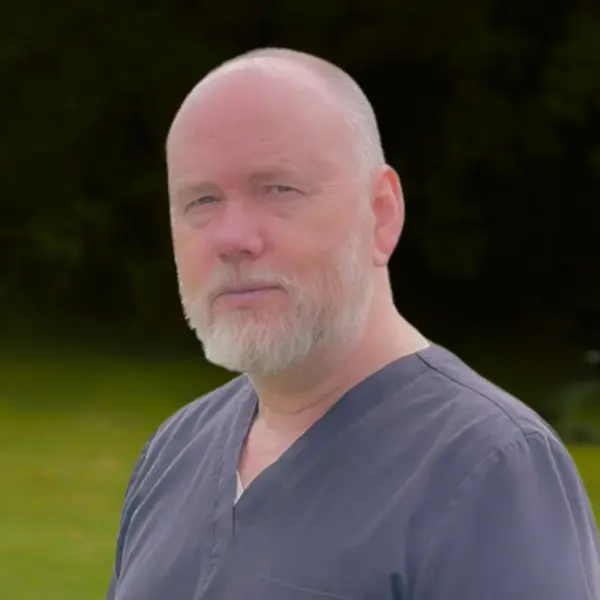
Our Detox Specialists



Alcohol and drug detox: which substances do we treat?
Castle Craig provides medically managed detox for a wide range of substances.
-
Alcohol detox
Alcohol withdrawal can be medically serious. From the moment you arrive, we monitor you around the clock and adjust medication as your withdrawal progresses. Our alcohol detox programme is designed to keep you safe through the most acute phase while preparing you for the therapeutic work that follows.
-
Drug detox
We treat dependence on a full range of illicit and prescription drugs. This includes drug detox for opioids, benzodiazepines, stimulants, cannabis, and club drugs such as ketamine and MDMA. Each substance has its own withdrawal pattern, so we approach each one differently.
-
Prescription drug detox
Dependence on prescribed medication is more common than people realise, and it needs the same level of clinical care. We provide specialist treatment for people detoxing from prescription drugs, including opioids, benzodiazepines, sleeping tablets, and other sedative medications.
Related Guides on Medically Managed Residential Detox
Detox For Women | Detox Centre | Inpatient Detox | Alcohol | Drugs | Cocaine | Heroin | Crystal Meth | Valium | Tramadol | Benzodiazepines | Xanax | Codeine
How long does alcohol and drug detox take?
Detox timelines vary by substance, the severity of dependence, and individual health and responses. The below are general timelines:
-
Alcohol
Withdrawal symptoms typically begin within six to 24 hours of the last drink. The most acute phase lasts two to ten days, though the risk of serious complications peaks in the first few days to a week.
-
Short acting opioids
For example, heroin.
Symptoms begin eight to 24 hours after last use and usually resolve within four to ten days.
-
Long acting opioids
For example, methadone.
Onset is later, 12 to 48 hours after last use, and the withdrawal period is longer, typically ten to 20 days.
-
Short acting benzodiazepines
For example, temazepam.
Symptoms begin one to two days after stopping and can persist for two to four weeks or longer.
-
Long acting benzodiazepines
For example, diazepam.
Symptoms can begin two to seven days after stopping and may continue for two to eight weeks or longer.
-
Stimulants
For example, cocaine or methamphetamine.
Withdrawal symptoms typically begin within 24 hours of last use and resolve within three to five days, though low mood and fatigue can persist beyond this.
-
Cannabis
Withdrawal is generally milder. Symptoms usually begin within 24 to 48 hours of stopping and last one to two weeks.
When more than one substance is involved, detox becomes more complex. Withdrawal timelines can overlap, and the clinical approach needs to account for each substance separately. Our clinical team is used to managing overlapping withdrawal timelines and adjusts treatment as each substance clears.
Is it safe to detox from alcohol or drugs at home?
People consider home detox for understandable reasons: cost, privacy, not wanting to tell people, not being ready to leave.
For some substances, such as cannabis or stimulants, home withdrawal is uncomfortable but not inherently dangerous for most people. For others, the risks are serious enough that home detox isn’t safe without medical support.
Alcohol and benzodiazepine withdrawal are the riskiest. Withdrawal can lead to severe complications, including seizures, hallucinations, and delirium tremens. These are medical emergencies that require immediate clinical intervention. Wernicke-Korsakoff syndrome, a neurological condition caused by thiamine deficiency, is also common in people with alcohol use disorder. It can cause permanent memory damage if not treated promptly.
If you have stopped drinking or using drugs at home and are experiencing confusion, chest pain, tremors, or hallucinations, call 999 immediately.
If you’re not sure whether you need residential detox, a clinical assessment will give you a clearer picture. A doctor can advise on the right level of support for your situation.
Contact Castle Craig Detox Facility Today
We offer free drug and alcohol addiction assessments as part of our detox admissions process.
What happens after alcohol and drug detox?
Once detox is complete, you move into the residential treatment programme. You will take part in individual and group therapy, working through why the addiction developed and the patterns that kept it going. The aim is to understand what drove the addiction and to leave with the practical tools to stay well.
You can read more about our treatment approach and the residential programme on their dedicated pages.
Recovery after residential treatment isn’t always straightforward, and most people benefit from continuing care. This can mean regular contact with a therapist, peer support, and a network to return to if things become difficult. We help you plan for that before you’re discharged and provide two years’ free aftercare.
Frequently asked questions about drug detox
-
What are the costs associated with private alcohol and drug detox in the UK?
Private residential detox costs vary depending on the length of stay, the level of clinical care required, and the provider. At Castle Craig, the cost reflects a medically managed service with 24/7 nursing, a dedicated clinical team, and access to the full residential programme that follows. We accept policies from a number of major health insurers, including Bupa, Vitality, Cigna, WPA, and Aviva. If you have questions about costs or you’re unsure whether your policy covers residential detox, our admissions team can help.
-
Where can I find professional alcohol and drug detox services near me?
Castle Craig is based in the Scottish Borders, around an hour from Edinburgh. We treat people from across the UK and internationally. If location is a concern, our team can talk through practicalities: travel arrangements, what to bring, and how admission works. You can also read more on our residential alcohol and drug detox clinic page.
-
Which providers offer discreet residential detox in the UK?
Many people need their treatment to stay private, but don’t feel comfortable asking about it directly. Confidentiality is at the heart of everything we do at Castle Craig. Patient information is not shared outside the clinical team without consent, and there is no public record of attendance. If you have specific concerns about privacy, our admissions team can talk through those with you before you make any decisions.
-
What symptoms should I expect during alcohol and drug detox?
Withdrawal symptoms vary considerably depending on the substance. Some common experiences across different substances include:
Physical symptoms: nausea, sweating, tremors, headaches, muscle aches, disturbed sleep
Psychological symptoms: anxiety, low mood, agitation, difficulty concentrating
Specific risks: seizures and delirium tremens for alcohol and benzodiazepine withdrawal; acute psychiatric symptoms for high-dose stimulant use
With medically managed detox, symptoms are monitored and managed as they develop. For more detail on what to expect from a specific substance, see the relevant substance pages linked above.
Confidential Addiction Assessment
Compassionate, expertly delivered evidence-based practices and a patient-centred approach are at the heart of our treatment model. Request a call-back from one of our professionals on any day of the week.